Match Report: Priestleys take control early in dominant display
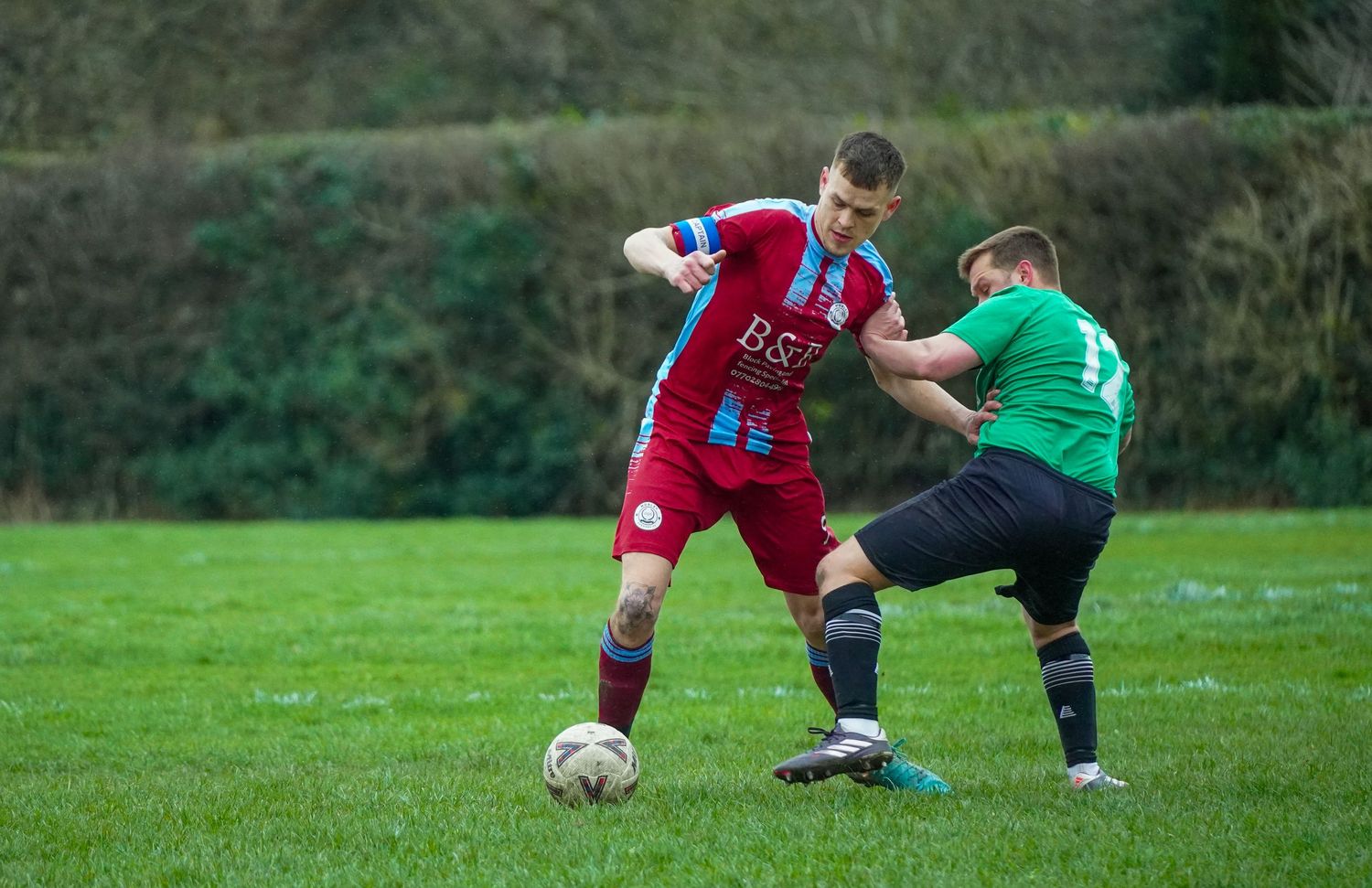
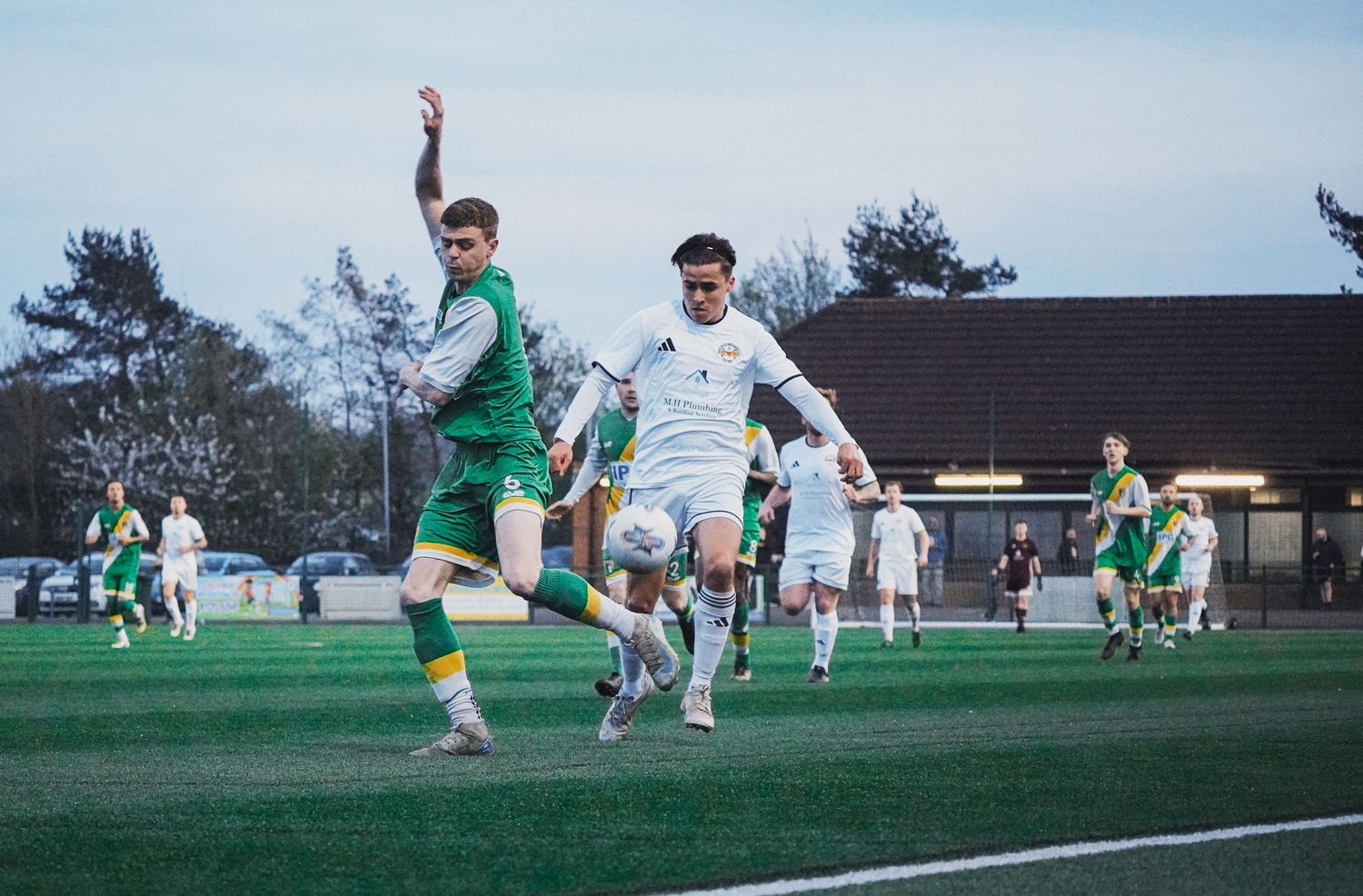
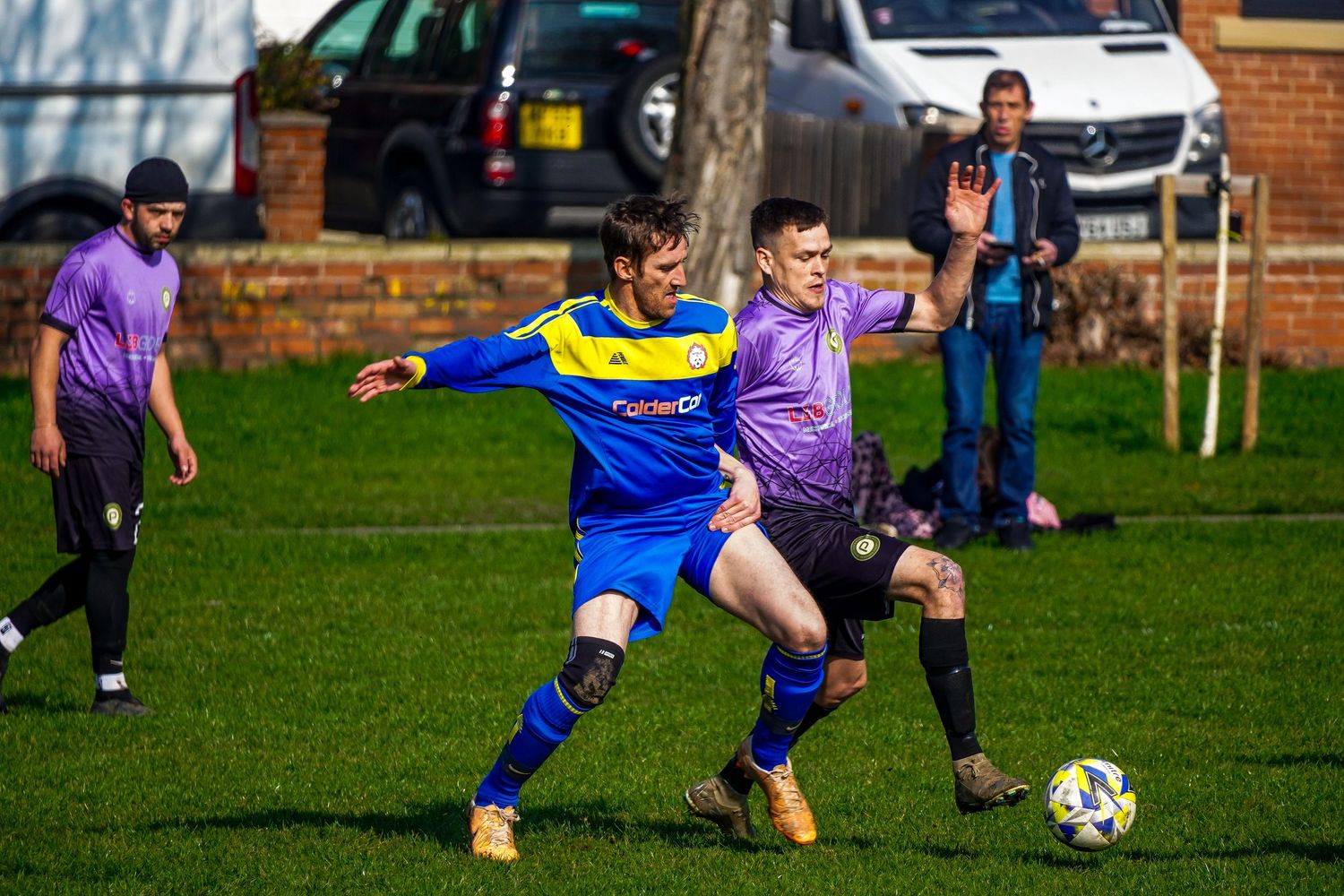
Priestleys FC delivered a commanding performance to secure a 6–0 victory over Waterloo FC in the Wakefield & District FA League Premier Division at Thornes Park.
Played in front of a strong crowd on a bright afternoon, the match carried a community feel, but once underway, Priestleys quickly established control and dictated the tempo throughout.
From a General Sports perspective, this was a performance built on early intent, consistent attacking pressure, and moments of real quality in the final third.
Fast Start Sets the Tone
Priestleys made their intentions clear early on.
13’ — Phillips Irvin opened the scoring, finishing to give Priestleys the lead after a sharp start that caught Waterloo off balance.
The pressure continued, and just minutes later:
19’ — Priestleys FC doubled the lead, capitalising again as Waterloo struggled to settle into the game.
Fast Start Sets the Tone
Priestleys made their intentions clear early on.
13’ — Phillips Irvin opened the scoring, finishing to give Priestleys the lead after a sharp start that caught Waterloo off balance.
The pressure continued, and just minutes later:
19’ — Priestleys FC doubled the lead, capitalising again as Waterloo struggled to settle into the game.
Priestleys remained in control, and their third goal reflected both movement and precision in attack.
33’ — Phillips Irvin (Assist: Luke Foley)
A well-timed through ball from Luke Foley found Irvin inside the box, where he produced a composed flicked finish — a move that typified Priestleys’ attacking quality on the day.
At 3–0 inside 33 minutes, the pattern of the match was firmly established.
First Half Control
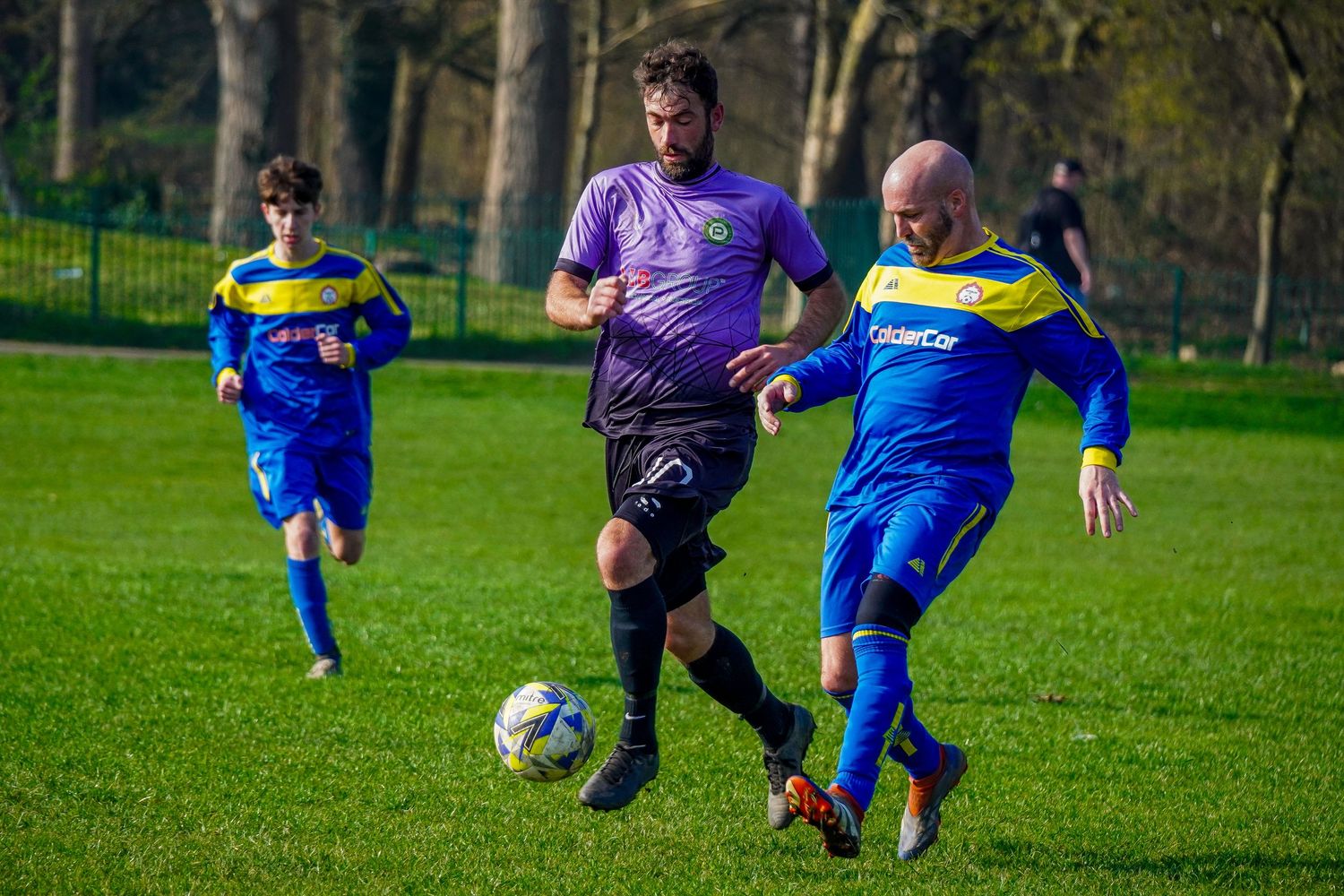
Priestleys controlled possession effectively, moving the ball with confidence and creating consistent openings.
Waterloo found it difficult to build any sustained attacking phases and were limited to very few moments in the final third.
The difference in organisation and execution between the sides was clear as Priestleys maintained control heading into halftime.
Second Half Continues in the Same Pattern
To their credit, Waterloo attempted to show more structure in the second half, but Priestleys remained firmly in control of the game.
Their attacking play continued to produce chances, and the scoreline began to reflect that dominance further.
Goals Reflect Control and Quality
63’ — Priestleys FC extended the lead
Sustained pressure resulted in another goal as Priestleys continued to break forward with intent.
67’ — Long-range strike (Priestleys FC)
One of the standout moments of the match came from distance, with a powerful effort from range finding the net — a goal that was well received by the crowd.
71’ — Top corner finish (Priestleys FC)
The final goal combined precision and power, with a strike into the far corner. The goalkeeper managed to get a glove to it, but was unable to keep it out as the ball found the top corner — another moment appreciated by those watching.
Match Reflection | Control from Start to Finish
This was a performance where Priestleys demonstrated clear organisation, composure, and attacking efficiency.
Phillips Irvin’s early goals set the foundation, while contributions across the team — including Luke Foley’s creative passing — ensured consistent control throughout.
Waterloo, despite their efforts, struggled to match that level on the day and were unable to create meaningful attacking pressure.
In the end, the result reflected a difference in control, execution, and attacking quality.


Access the Full Match Recording
Highlights capture goals. The full match shows structure, decision-making, work rate, and how teams manage moments across 90 minutes.
Our full match recordings are used by clubs, coaches, and staff to review performance, analyse patterns, and understand the game beyond isolated clips.
If you’re interested in accessing the complete Waterloo FC vs Priestleys FC recording, or exploring full-match coverage for your club, get in touch.